
How Much Does It Cost to Run an EV in 2026? EV Charging Costs vs Petrol and Diesel
Fuel Prices
For most drivers considering the switch to electric, the first question is simple: will it actually save money?
In most cases, yes — but in 2026 the size of that saving depends more than ever on how you charge your vehicle.
If you charge at home, an EV is still usually much cheaper to run than a petrol or diesel car. If you can charge overnight on an off-peak EV tariff, the savings can be even bigger. On the other hand, if you rely mainly on rapid public chargers, the running costs can be much closer to those of a conventional vehicle.
At NOD Electrical Services, we help homeowners and businesses get the right charging setup in place so they can get the full financial benefit of driving electric.
EV running costs on a standard home electricity tariff
Using the current average domestic electricity rate, a typical EV delivering around 3.5 miles per kWh costs roughly 7p per mile to run.
Over 10,000 miles, that works out at around £705 in electricity costs.
Compare that with a typical petrol or diesel vehicle:
A 45mpg petrol car costs around 16p per mile
A 55mpg diesel car costs around 15.8p per mile
That means a home-charged EV can still save the average driver around £870 per year over 10,000 miles compared with petrol or diesel.
For many households, that is the biggest reason to switch. Even with electricity prices higher than they were several years ago, charging at home still offers a clear cost advantage.
Off-peak EV charging makes the savings even stronger
Where EV ownership becomes especially cost-effective is overnight charging.
With a dedicated EV tariff, off-peak electricity can be available at around 8p per kWh during overnight hours. At that rate, the same EV can cost as little as 2.3p per mile to run.
Over 10,000 miles, that works out at around £229.
To put that into perspective:
Standard home charging: about £705 per 10,000 miles
Off-peak EV charging: about £229 per 10,000 miles
Petrol car: about £1,596 per 10,000 miles
Diesel car: about £1,578 per 10,000 miles
A full 60kWh charge could cost around:
£14.80 on a standard domestic tariff
£4.80 on an off-peak EV tariff
That is a major difference, and it shows why the real value of an EV is not just in the vehicle itself — it is in having the right charger and the right tariff.
Public charging is convenient, but usually more expensive
Public charging still plays an important role, especially for long-distance travel and drivers without off-street parking.
However, it is typically much more expensive than charging at home.
Current public charging prices mean:
Slower public charging can work out at around 16p per mile
Rapid and ultra-rapid charging can reach around 23p per mile
That means drivers who rely heavily on public rapid chargers may see much smaller savings, and in some cases may pay similar running costs to a petrol or diesel car.
For that reason, the cheapest EV ownership model is still clear:
charge at home whenever possible, and use public charging when needed rather than as your main source of power.
How EV costs have changed in recent years
The cost of charging an EV has changed noticeably over the last few years.
At the height of the energy crisis, home charging costs rose sharply. Since then, electricity prices have eased, meaning the cost per mile for home charging is lower than it was in 2023.
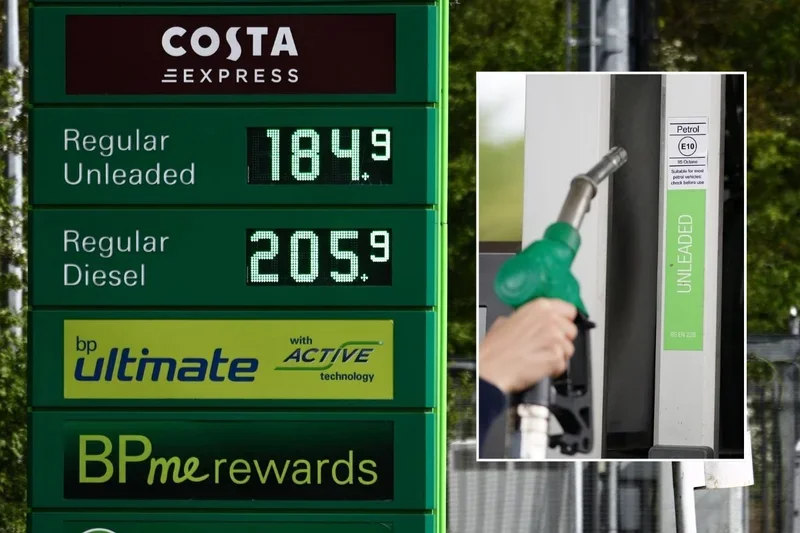
Fuel prices, meanwhile, have remained volatile. Petrol and diesel costs continue to move quickly in response to global markets, which makes budgeting harder for drivers of conventional vehicles.
That is one of the biggest advantages of EV ownership today: more control over your day-to-day running costs, especially if you have a home charger and access to off-peak electricity rates.
The real question is not just “Should I buy an EV?”
It is:
How will I charge it day to day?
That is where the biggest savings are won or lost.
A properly installed home charger can make your EV cheaper, easier, and more convenient to live with. It gives you the option to charge overnight, make the most of EV tariffs, and reduce your reliance on expensive public chargers.
For businesses, workplace charging can also help reduce fleet running costs, support staff, and future-proof premises as EV adoption continues to grow.
Install the right EV charger with NOD Electrical Services
At NOD Electrical Services, we install reliable, professionally fitted EV charging solutions for homes and businesses.
Whether you are planning your first EV purchase, upgrading your current setup, or looking to add charging points to a commercial property, we can help you choose a system that works for your vehicle, usage, and tariff.
A good charger installation is not just about convenience. It is about making sure you get the maximum cost saving from driving electric.