
Electrical Fault Finding & Repairs in South London
Tripping circuits, intermittent power or an electrical fault you cannot identify? We systematically investigate the cause, explain our findings and recommend appropriate repairs.

Electrical faults we investigate
We work on domestic and suitable commercial installations. Diagnosis is guided by the symptoms, the circuit arrangement and the results of appropriate electrical testing — not guesswork or replacing parts unnecessarily.
RCD or RCBO keeps tripping
Repeated loss of supply, cumulative leakage, defective appliances and circuit faults requiring systematic isolation and testing.
Circuit breaker trips
Investigating possible overloads, short circuits and damaged equipment before deciding on an appropriate repair.
Partial or intermittent power loss
Loose or deteriorated connections, faulty accessories, damaged circuits and unexplained loss of supply.
Sockets, switches and lighting faults
Non-working outlets, flickering lights, failed switches and defects affecting individual circuits.
Outdoor and garden electrical faults
Water ingress, damaged outdoor cables, accessories, lights and faults occurring after wet weather.
Cooker, shower or appliance-supply faults
Checking whether the problem lies in the electrical supply, local isolator or connected equipment; specialist appliance repair may be separate.
What you can safely check at home
These simple, customer-level checks can help describe the problem. They do not involve removing electrical covers or testing live conductors.
Start with the simple checks.
Only use accessible controls and only when it is safe and comfortable to do so. Do not attempt electrical repairs.
- Check the extent: is the whole home without power, one room affected, or are nearby properties also off? For a suspected network power cut, call 105.
- Look at the consumer unit: note which clearly labelled circuit breaker or RCD has operated, without removing the cover.
- Consider recently used equipment: switch off or unplug accessible appliances on the affected circuit, provided their plugs and sockets are undamaged.
- One careful reset: if there is no smell, heat, smoke or damage and you feel confident, you may try resetting the identified device once. If it trips again, leave it off and contact us.
- Stop for warning signs: do not reset or touch equipment that is hot, sparking, wet, damaged or smells of burning. If there is fire or immediate danger, call 999.
From symptoms to a documented repair
We assess the likely cause, identify the affected circuit and use suitable inspection and testing methods. Some faults can be found in a single visit; concealed wiring defects may need additional access or investigation.
Understand the problem
When the fault started, what trips and which areas or appliances are affected.
Inspect and test
Targeted fault isolation, inspection and electrical measurements as required.
Agree the repair
Explain the findings, the options and any scope or estimate changes.
Test and hand over
Appropriate post-repair checks, circuit verification and documentation.
Where repairs involve alterations or additions, the appropriate testing and certification requirements are assessed in accordance with BS 7671, including Part 6. A fault-finding visit is not automatically a full Electrical Installation Condition Report (EICR).
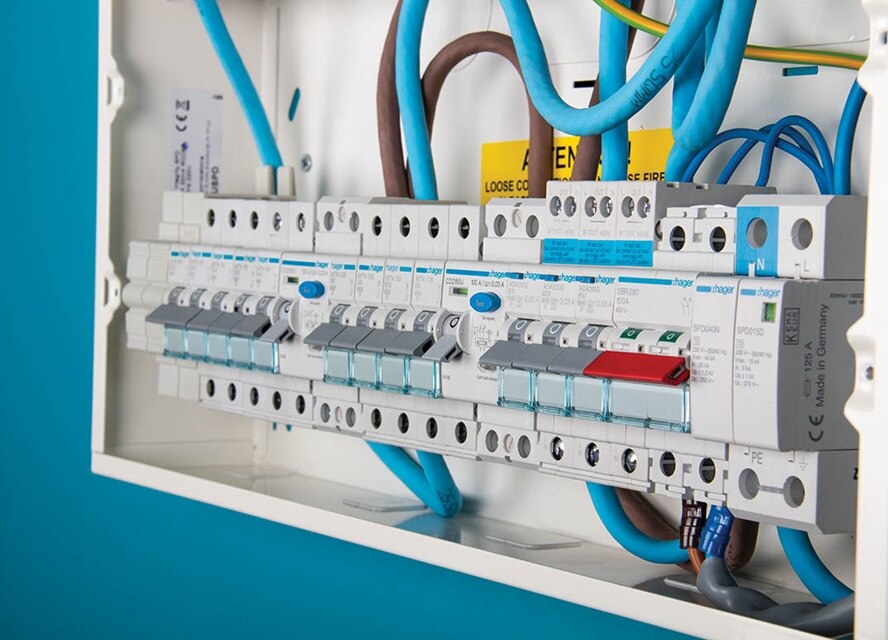
Not every electrical fault needs a rewire or new fuseboard.
A tripping circuit may result from a failed accessory, connected equipment, damaged insulation or several interacting conditions. We investigate before recommending substantial work.
Where the condition of the installation more generally is in doubt, an EICR may be appropriate. Where a consumer unit needs attention, we can advise on protection and replacement options.
Explore inspection & testing ↗Electrical fault-finding FAQs
Practical answers about repeated tripping, investigation and what to expect from a visit.
Why does my RCD keep tripping?
Possible causes include faulty equipment, moisture, leakage currents or defects on one or more circuits. Correct diagnosis requires appropriate inspection and testing; the operating device alone does not identify the fault.
Can I keep resetting a circuit breaker?
Do not repeatedly reset a device that continues to trip. If a single safe reset does not restore the supply, leave the circuit off and arrange an investigation.
Will you be able to repair the fault on the first visit?
Many accessible faults can be identified and repaired during an initial visit, subject to access and availability of parts. Intermittent or concealed faults can require additional tracing, access or return visits.
Is fault finding the same as an EICR?
No. Fault finding targets a reported problem. An EICR is a periodic inspection and assessment of the condition of an installation within its agreed scope.
What if only one socket or room has no power?
Record which rooms or outlets are affected and whether the circuit breaker has tripped. Do not open accessories or attempt to identify live conductors.
Do I need a replacement consumer unit?
Not necessarily. We assess the condition of the board, circuit protection, earthing and relevant test results before recommending replacement.
The right follow-on service
Where fault finding identifies wider electrical work, these dedicated pages explain the options and the scope of each service.
Based in Streatham, covering South London.
Electrical fault you need investigated?
Tell us what is happening, your postcode and whether a circuit or the entire property is affected. We will advise on the next step and any required visit.
