
Aico smoke & heat alarms: choosing the right protection for your home
A practical guide to smoke, heat and carbon monoxide detection, interlinked alarms, installation standards and the benefits of a professionally designed Aico system.
Request an EstimateFire alarm services
A smoke alarm is only one part of a reliable fire warning system. Choosing the correct sensor for the room, interconnecting the alarms and planning their coverage can make a significant difference to how effectively occupants are warned.
Which Aico alarm goes where?
These examples illustrate three common models in Aico's 3000 Series. Final selection and location depend on the building layout, the applicable fire-risk assessment and the required BS 5839-6 system grade and category.
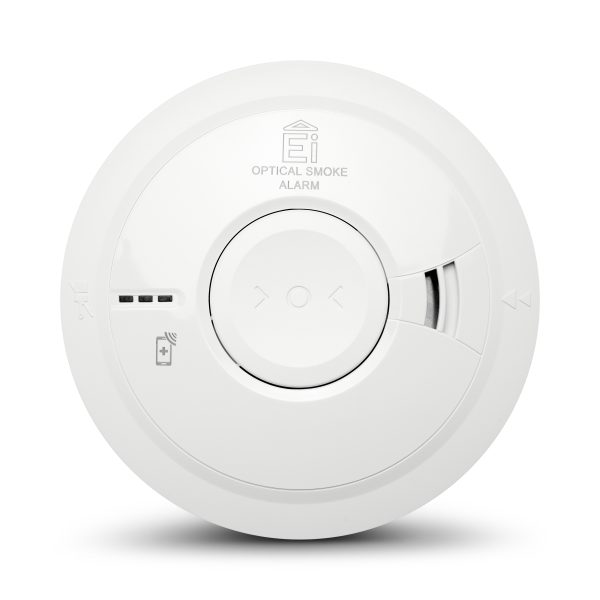
Ei3016
Designed to detect smoke, especially from slow smouldering fires. Commonly suited to halls, landings, bedrooms and living areas as part of the designed system.
View Aico product details
Ei3014
Heat alarm intended for kitchens and certain garages where cooking fumes or dust could cause unwanted smoke-alarm activations. Not a standalone substitute for smoke alarms on escape routes.
View Aico product detailsEi3024
Combines optical smoke and heat sensors for enhanced fire detection. Suitable for various circulation and living spaces specified by the design; not a general replacement for a dedicated kitchen heat alarm.
View Aico product detailsWhy interconnected alarms matter
With a correctly designed interconnected system, activation of one alarm causes the others to sound. That can provide earlier warning to occupants in bedrooms or on other floors, even when the originating fire is elsewhere in the property.
For compatible 3000 Series products, Aico's Ei3000MRF SmartLINK modules can provide radio-frequency interconnection where appropriate. Hard-wired and hybrid arrangements may also be possible.
Don't confuse these terms
- Smoke/heat/CO describes the sensor's function.
- Grade describes the alarm system's power and equipment arrangements.
- Category describes the extent of detection coverage, such as LD1, LD2 or LD3.
- Interconnection describes how alarms communicate with each other.
The required specification is not determined merely by the number of alarms installed.
How we approach an Aico installation
What about carbon monoxide?
Carbon monoxide is a separate hazard from fire. A smoke alarm or ordinary heat alarm does not detect CO. Suitable CO detection should be specified where required, including relevant rooms containing fixed combustion appliances.
In England, the Smoke and Carbon Monoxide Alarm Regulations impose baseline requirements on relevant rented homes. Those minimum duties are not necessarily the same as the fuller fire-alarm specification a particular HMO or higher-risk building may require.
Read GOV.UK landlord guidance.Training and competent installation
NOD Electrical Services is a NAPIT Approved Contractor and has completed Aico manufacturer training. We use that product knowledge when recommending and installing suitable domestic alarm systems.
Important: manufacturer training is not a separate statutory fire-alarm accreditation, and we do not claim an Aico certification tier or endorsement beyond the evidence held.
Frequently asked questions
Are mains-powered alarms better than battery alarms?
Both can be appropriate when correctly specified. Grade D1 mains-powered alarms with tamper-resistant standby power offer advantages for many domestic schemes, but the required grade and category depend on the premises and applicable guidance.
Can a heat alarm replace the smoke alarm in a hallway?
Generally no. A heat detector is normally intended for areas such as a kitchen, not as a direct substitute for smoke detection protecting an escape route.
Can Aico alarms be interconnected without running a cable between every alarm?
Compatible alarms may use Aico's radio interconnection accessories, subject to manufacturer compatibility and system design. Mains-powered units still require their own appropriate electrical supply.
How long do Aico 3000 Series alarms last?
Aico describes the featured models as having a 10-year life/guarantee with 10-year rechargeable lithium backup. Check the specific manufacture or replacement date and replace according to the product instructions.
Does a landlord need a heat alarm in the kitchen?
The national England Smoke and Carbon Monoxide Alarm Regulations specify minimum smoke and CO duties, but do not by themselves prescribe a heat alarm in every kitchen. Other applicable requirements, licensing conditions and BS 5839-6 design criteria may call for one.
What does LD2 mean?
LD2 is a domestic fire detection coverage category under BS 5839-6, generally addressing escape routes and specified higher-risk rooms. The actual device selection and extent of coverage must be designed for the property.
Can the same system cover an HMO or communal staircase?
Not automatically. HMOs and communal areas may need different designs, grades, categories and sometimes systems under BS 5839-1. Fire-risk assessment, licensing and the building's fire strategy govern the specification.
Related NOD services and advice
Planning new alarms or replacing an older system?
We can help with specification, installation, interconnection, testing and handover for suitable domestic properties in Streatham and across South London.
Request an EstimateCall 020 8050 3408Technical information reviewed 26 October 2026. Product information and photographs attributed to Aico, with links to the manufacturer's original product pages. BS 5839-6 and BS 7671 requirements must be applied to the individual installation.